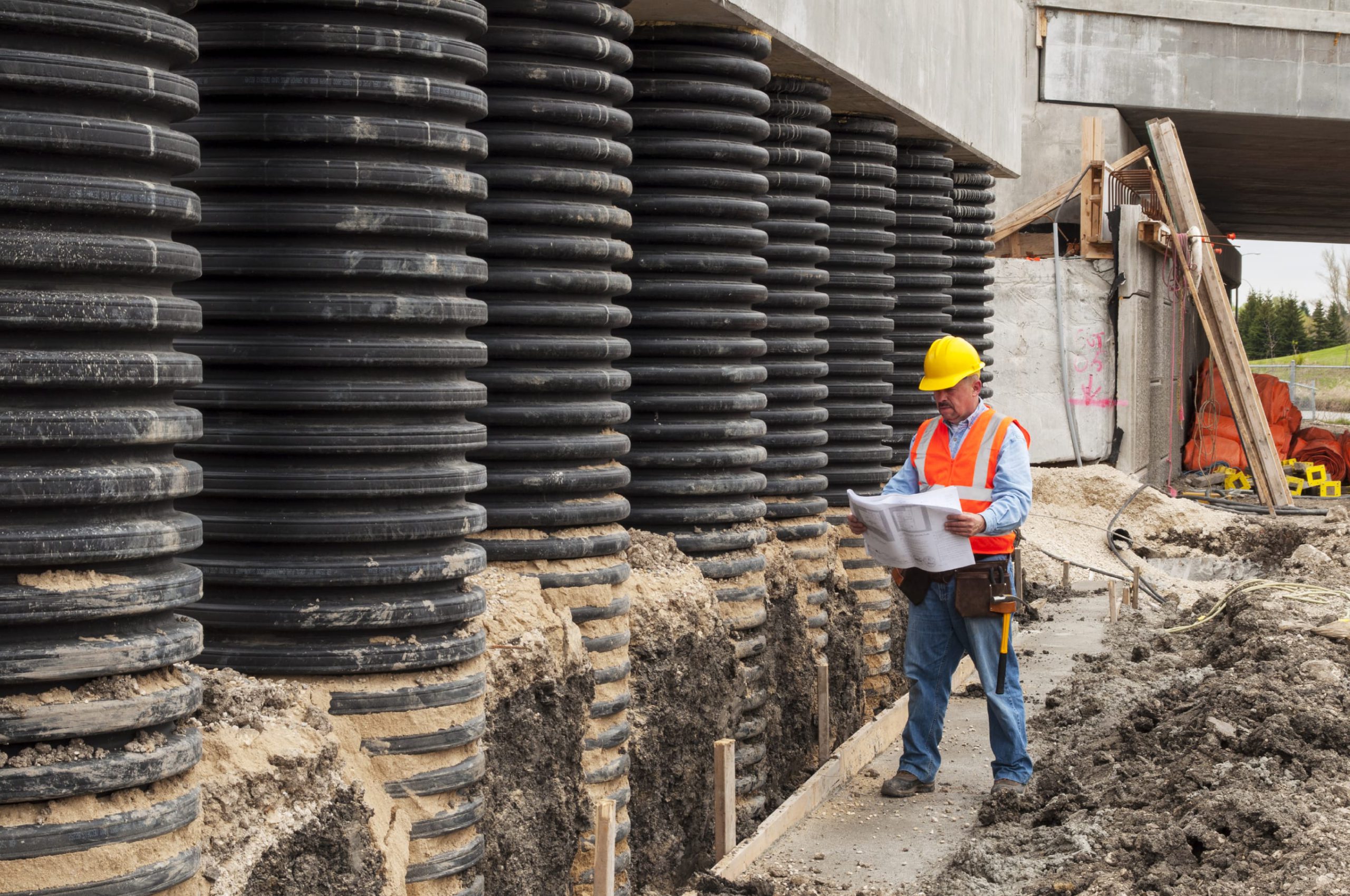
Introduces the basic practices related to the municipal inspection of sewer, watermain and road construction projects. The focus of this course is municipal projects, MTO projects/procedures are not covered.
Course Content
- Contract documents
- Plan reading
- Role of the inspector
- Sewer and watermain construction
- Record keeping
- Safety
- Construction/field calculations
- Traffic control
- Concrete and asphalt
- Soils
- Construction and the environment
- Field trip
Who Should Attend
Inspectors with a significant portion of their job duties related to the inspection of sewer and watermain installation and road construction.
Recommendations
Recommended introductory course for Scott McKay Bituminous Technology, Scott McKay Concrete Technology, and Sewer & Watermain Construction Inspection.
Evaluation Process
Passing Grade: 60%. Comprehensive final examination. Some evening work may be required to complete assignments.
Accreditation
This course is recognized by:
- This course qualifies as “specialized course” for the Association of Ontario Road Supervisors (AORS) Certified Road Supervisor – Intermediate level (CRS-I) certification program.
- OACETT – This course may be used for technical specialist and technician programs. Point Value = 5
- The Engineering Institute of Canada awards 3 Continuing Education Units to this course.
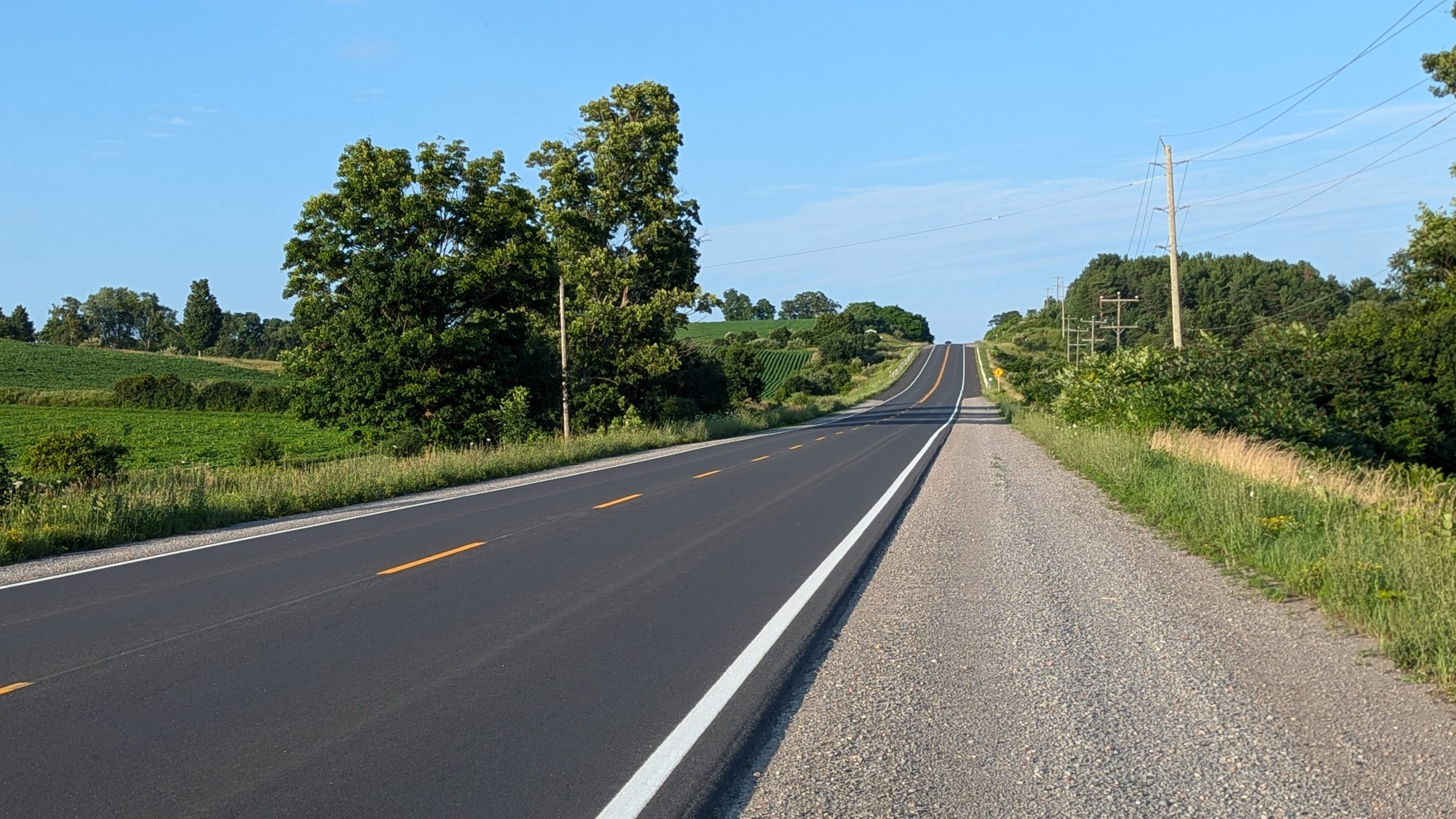
Provides you with the tools necessary to assist in the design of safe and efficient roads.
Course Content
• Vertical alignment
• Sight distances
• Highway safety
• Horizontal alignment
• Pavement drainage and frost action
• Pavement design
• Superelevation
• Automated design
Who Should Attend
Those who are entering or who have experience in the field of road design and wish to reinforce or broaden their knowledge of fundamental highway design principles.
Prerequisites
• Basic knowledge of design principles, standards and engineering procedures.
• The ability to manipulate equations such as: L= π/180 X ∆ X R (to solve for all variables)
Participants will find it beneficial to review the following publications prior to the course:
• MTO Geometric Design Standards for Ontario Highways, Chapter C-Alignment
• MTO Roadside Safety Manual
• TAC Geometric Design Guide for Canadian Roads (updated 2017)
Evaluation Process
Passing Grade: 60%. Quizzes, projects, and comprehensive final examination
Accreditation
This course is recognized by:
- This course qualifies as an elective Tech/ Management course for the Association of Ontario Road Supervisors (AORS) Certified Road Supervisors – Senior level (CRS-S) certification program
- OACETT=This course may be used for technical specialist, technician, and technologist programs. Point Value = 7
- The Engineering Institute of Canada awards 3 Continuing Education Units to this course.

- Introduction to intersections
- Sight distance
- Design controls and criteria
- Tapers, auxiliary lanes and channelization
- Design project
Course Objectives
To introduce participants to the basics of designing new and retrofit urban and rural intersections.
Who Should Attend?
Analysts, designers, technicians, technologists, and engineers from public and private sector organizations involved in traffic operations, road design, maintenance operations, highway safety, and/or land development.
Prerequisites
Knowledge of engineering principles, especially related to roadway design; Road Design: Geometrics (TM30) is recommended.
Evaluation Process
Passing Grade: 60%
Accreditation
This course is recognized by:
- Association of Ontario Road Supervisors
- OACETT=This course may be used for technical specialist and technician exam programs only. Please contact OACETT to ensure that this course satisfies your particular examination program for certification. Point Value = 5
- The Engineering Institute of Canada awards 3 Continuing Education Units to this course.
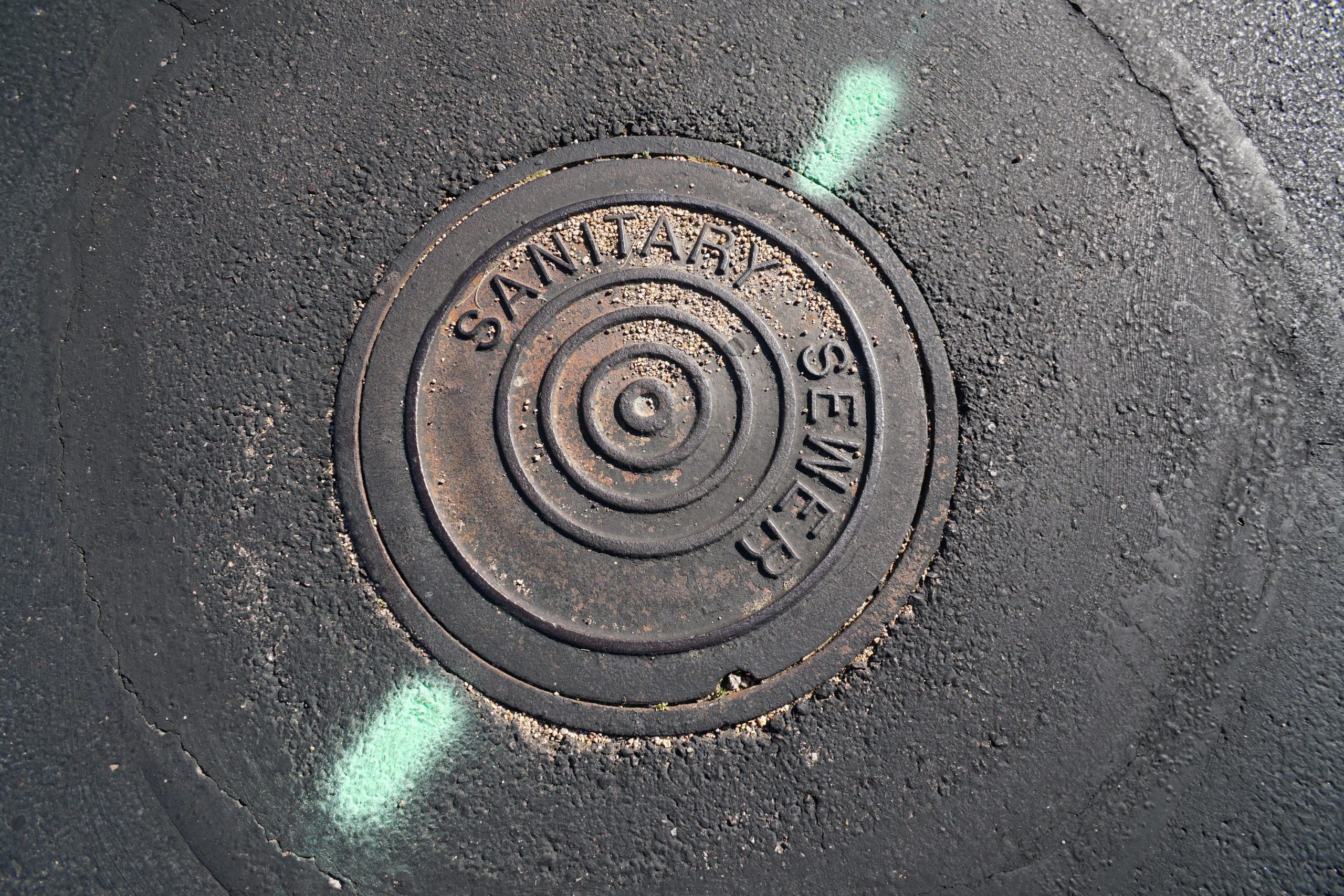
You will review a proposed or existing system to provide an overall understanding of sanitary sewer design. You will then complete a sanitary sewer design by using first principle methods and/or design aids (nomographs, tables, etc.).
Course Content
- Overview of sanitary sewers
- Sanitary sewer loadings
- Sewer inspection and rehabilitation
- Hydraulics
- Design parameters
- Structural design of flexible and rigid pipes
- Forcemains
Who Should Attend
Engineers in training, designers, technicians and technologists who are employed in the sewer design field and have a basic understanding of sewer design.
Prerequisites
Basic understanding of Sewer Design.
Evaluation Process
Passing Grade: 60%. Practical design case studies, and comprehensive final examination
Accreditation
This course is recognized by:
- This course qualifies as a “specialized course” for the Association of Ontario Road Supervisors (AORS) Certified Road Supervisors – Intermediate level (CRS-I) certification program.
- OACETT= This course may be used for technical specialist, technician, and technologist programs. Point Value = 6
- The Engineering Institute of Canada awards 3 Continuing Education Units to this course.
- This course meets the Ministry of the Environment’s criteria for Continuing Education training for wastewater operators under O.Reg. 129/04 and has been assigned 3.1 Continuing Education Units.
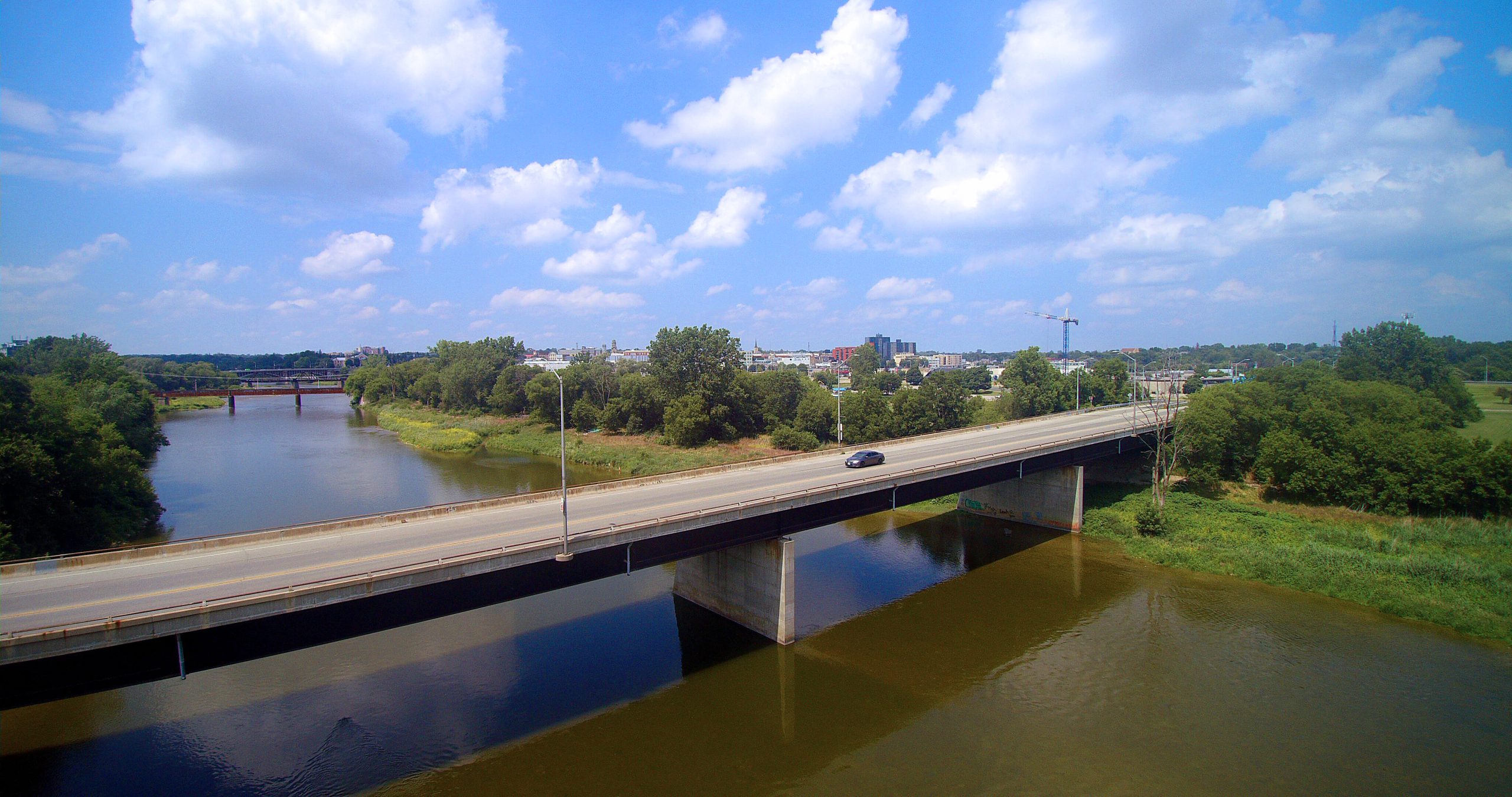
Using the concepts, procedures, and methods identified in the Ontario Structure Inspection Manual (OSIM) you will:
• Identify the type and severity of material defects,
• Assess and rate the condition of a variety of bridge elements, and
• Report your findings using the OSIM forms.
Course Content
• Types of Bridges
• Bridge Elements
• Materials focusing on concrete, steel, and asphalt.
• Material defects
• Procedures for conducting and documenting a detailed visual inspection using OSIM, including identification of material defects, material condition, defect severity levels, and performance deficiencies.
• Inspection Safety
• Field trips to bridges
Who Should Attend
Government employees, consultants, and contractors involved in the detailed visual inspections of bridges, or individuals who need to gain an understanding of OSIM reports.
Recommendations
A basic understanding of bridge types and bridge elements.
Materials Required
• CSA approved safety vest, hard hat, safety boots, safety glasses, and appropriate outdoor clothing for the field trips.
o Clothing: CSA Standard Z96-15
o Hard Hats: CSA Standard Z94.1-15
o Work Boots: CSA Standard Z195-14
o Safety Glasses: Z94.3.1-16
• Calculator
Evaluation Process
Pre-course evaluation, case studies, field assignments, and open-book knowledge evaluation.
Accreditation:
This course is recognized by:
- This course is recognized by:This course qualifies as a “specialized course” for the Association of Ontario Road Supervisors (AORS) Certified Road Supervisors – Intermediate level (CRS-I) certification program.
- This course may be used for technical specialist, technician, and technologist programs. Point Value = 7
- The Engineering Institute of Canada awards 3 Continuing Education Units to this course.
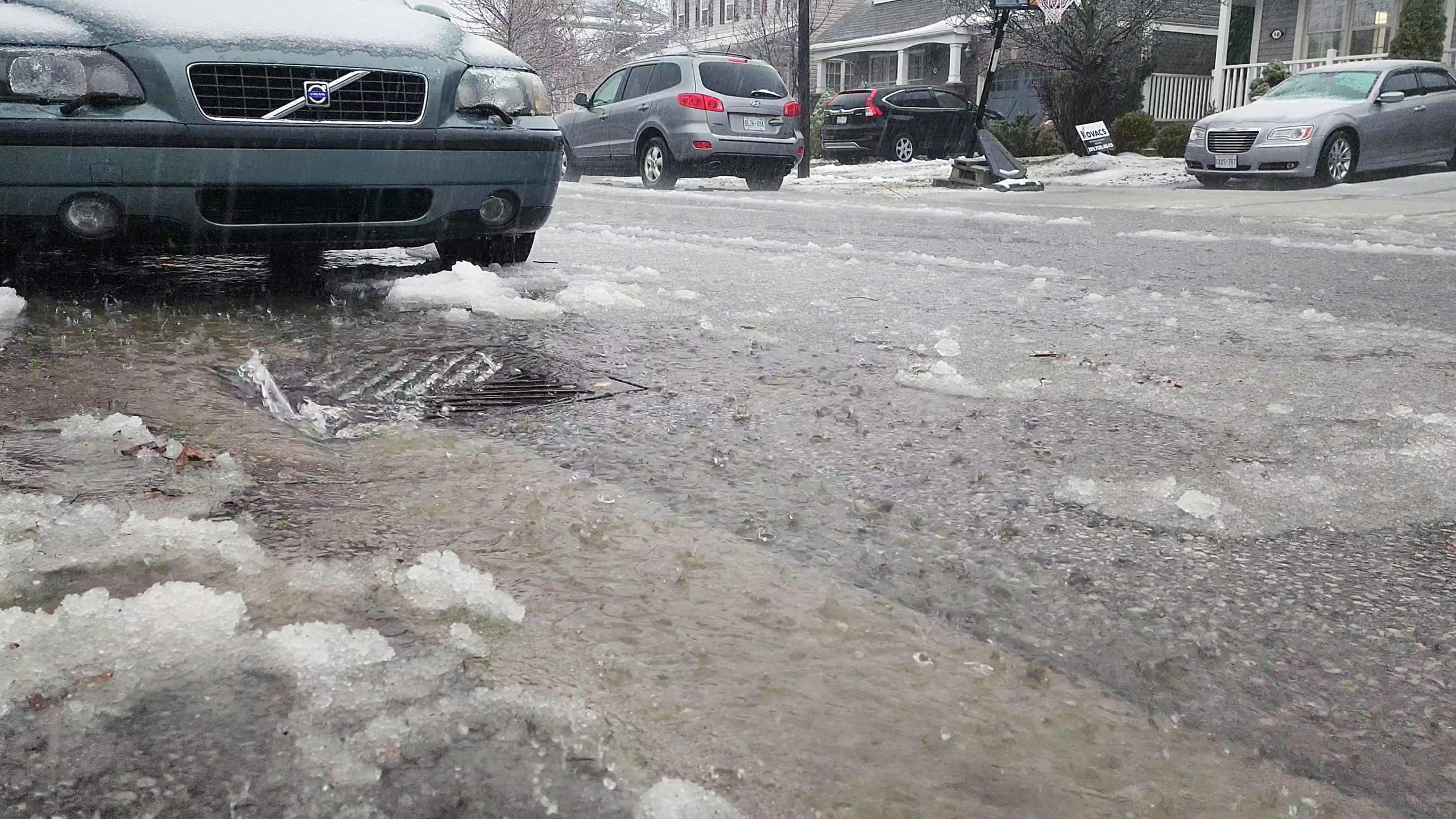
Comprehensive overview of the concepts of stormwater management and stormwater management system design.
Course Content
- Why we do stormwater management
- Stormwater management alternatives
- Stormwater management design principles and phases of completion
- Retrofits of stormwater facilities
- What to do when things go wrong
- Municipal Class EA process
- Stormwater pond maintenance
- Monitoring stormwater ponds
- Low Impact Development Modelling
- Field trip
Who Should Attend
Engineers, technicians, technologists, and others responsible for design, inspection, and maintenance of stormwater management facilities.
Prerequisites
Storm Sewer Design (TM31) or previous knowledge of hydrology would be helpful.
Evaluation
Passing Grade: 60%. Comprehensive final exam
Accreditation
This course is recognized by:
- This course may be used for technical specialist, technician, and technologist programs. Point Value = 7
- The Engineering Institute of Canada awards 3 Continuing Education Units to this course.
- This course meets the Ministry of the Environment’s criteria for Continuing Education training for wastewater operators under O.Reg. 129/04 and has been assigned 3.5 Continuing Education Units.


